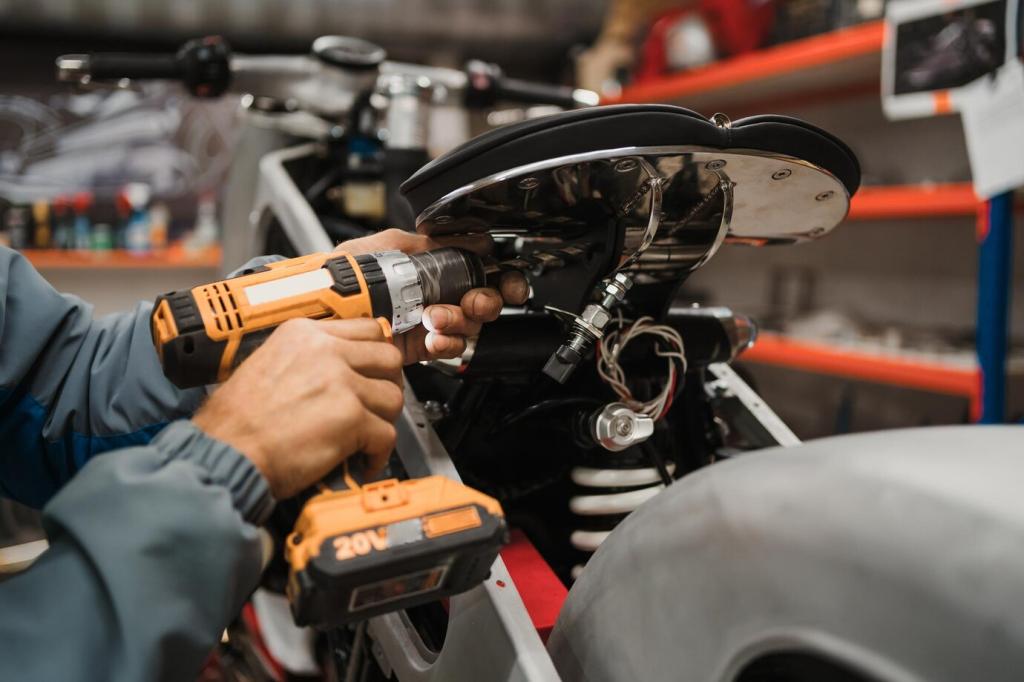
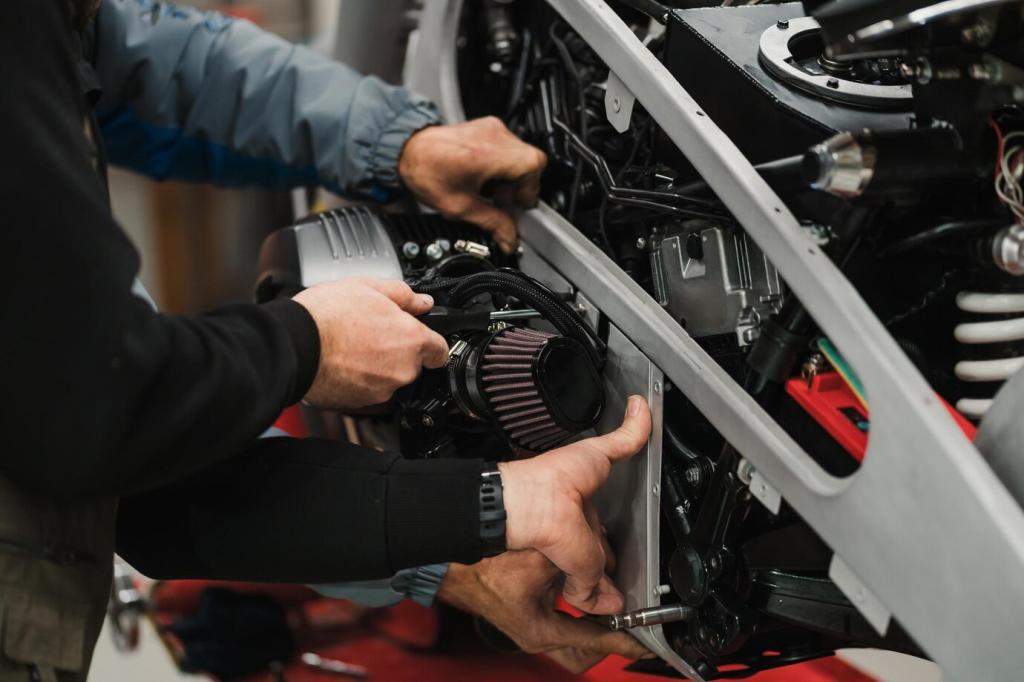
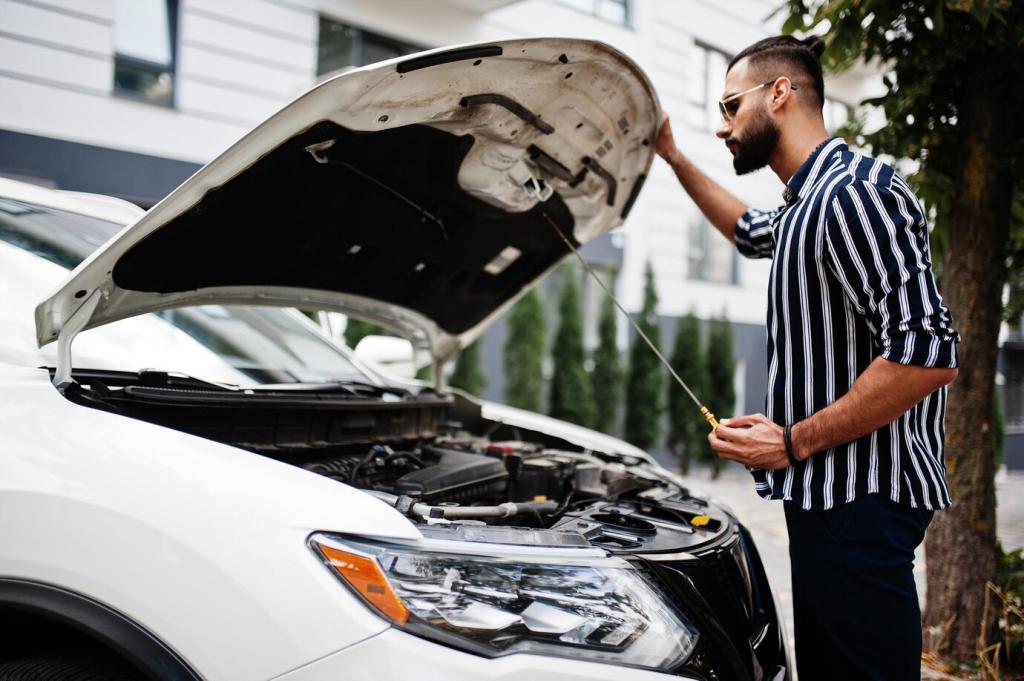
Start with a quality socket set, combination wrenches, torque wrench, screwdrivers, pliers, a breaker bar, and a tire pressure gauge. Add nitrile gloves, shop towels, and a magnetic tray. Comment with your must-have add-ons so new readers can learn from your experience.
Your manual reveals fluid types, torque specs, maintenance intervals, and warning light meanings. Keep it within reach or download a PDF version. Comment with the most surprising tip you discovered in yours, and help someone else avoid guesswork today.
Know Your Vehicle: Systems, Fluids, and Manuals
Engine, transmission, brakes, suspension, and electrical systems influence each other. A weak battery can trigger transmission limp mode; bad tires can mimic suspension issues. Share a time different systems fooled you, and what finally led you to the real fix.
Practice measuring battery voltage, continuity, and voltage drop across connections. Wiggle suspect harnesses while watching readings. Share your first meter victory—maybe finding a corroded ground—and encourage newcomers to test rather than replace parts blindly.
Battery, Alternator, and Grounds
Check resting voltage, cranking voltage, and charging output. Clean terminals, inspect grounds, and load test if available. Comment with your preferred battery maintenance routine, and subscribe to get our cold-weather readiness checklist before temperatures plunge.
Fuses, Relays, and Smart Diagnosis
Use a fuse tester or light probe, swap identical relays for quick confirmation, and consult diagrams. Post a screenshot of your fuse panel map, and let the community help you label unknown circuits for future confidence.
Mine was a flat-tire change using a borrowed torque wrench on a chilly evening, with a neighbor cheering from the sidewalk. Share your first victory below, and let’s welcome today’s beginners with the encouragement we once needed.